


So without an understanding of the consumer, it’s almost impossible to understand the true value of the shopping behavior you want to create. Depending on the impact your in-store marketing activities have on future consumption, they might be a raging success or an abject failure. That’s a pretty dangerous gamble in a consumer goods industry that is spending around $280 billion a year on this stuff.
But it gets worse. A particular quirk of in-store activity magnifies the danger of loss: everyone gets the same offer. The sampling, the discount, and the buy-two-get-one deal are all made available to everyone.
Consider the example of three shoppers with three different consumers: the loyalist, the infrequent user, and the competitor’s consumer. If I conduct a trial program indiscriminately, two-thirds of my promotional spend—the portion attributed to the infrequent user and the competitor’s consumer—is likely to be wasted. Worse, my loyal and infrequent user may be using the trial pack in place of his usual product. That equals lost sales. If I use a buy-two-get-one promotion to load up my infrequent user, then my loyalist just gets lots of product at a lower price. Again, lost sales. And they’re lost sales that a quick glance at my off-take would not reveal. An analysis based on off-take alone may show the promotion as a raging success, with a huge uplift. But the long-term value of my brand may have diminished. (For more on this see The True Cost of Discounting course.)
And it gets even worse.
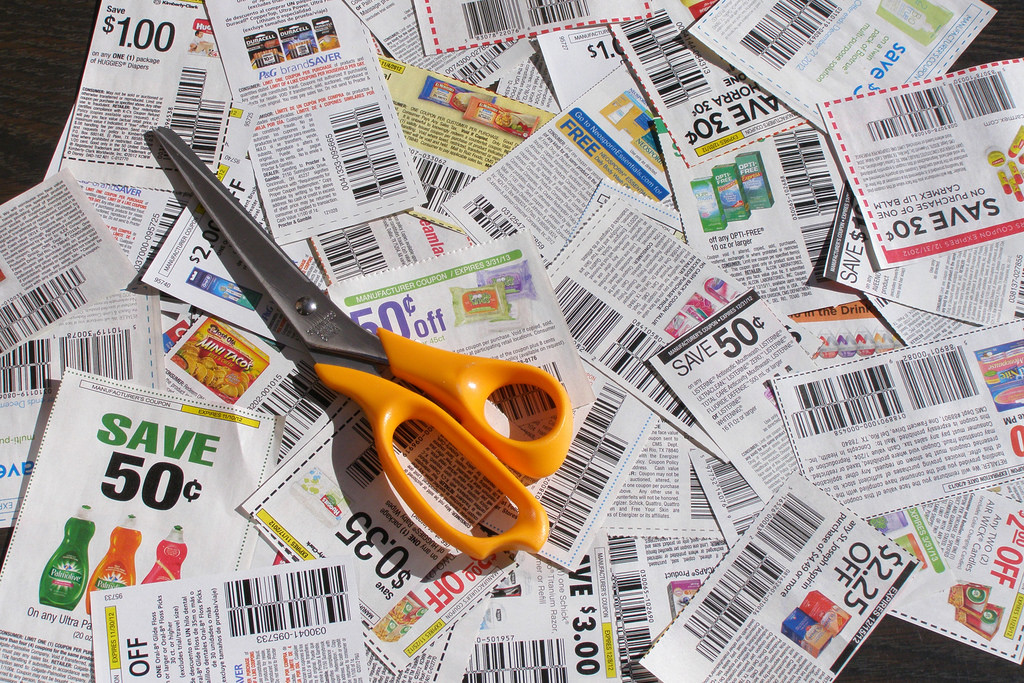
In most categories, there are what we call “deal shoppers.” These shoppers are not loyal to a brand and will just buy the cheapest from a portfolio. Deal shoppers are tricky to pin down. They may be a deal shopper in one category and highly brand loyal in another. But collectively, they cost the industry billions. Anyone who has watched Extreme Couponing knows what we mean! In some categories, deal shoppers—who will never be loyal, buying your brand this week and another one the next—soak up over 80 percent of a promotion budget. Much of the remaining 20 percent goes to people who would have bought the brand anyway, discount or no discount.
Now, we’re not saying that price shoppers aren’t worth your marketing efforts, but an understanding of who buys your product and the impact those sales will have on consumption is extremely valuable. Even when you win a new customer, you might sell more product initially; but if the consumer doesn’t love the brand and keep buying long term, the return on investment from the in-store campaign is negligible. It’s impossible to properly evaluate an activity without knowing both your target consumer and shopper.
This blog found in Course 13: Consumption Opportunities and Course 24: Offer.




NEW! Effective retail marketing course
We have packages to suit all budgets so please click on the image below to learn more about how you can maximize the potential of retail marketing programs.

Integrated Strategic Shopper Marketing Course
A comprehensive guide for establishing a more effective marketing approach, by integrating consumer, shopper and retail marketing. Make your marketing decisions and choices count. Align with the strategic driving forces of your business when you purchase Integrated Strategic Shopper Marketing.


I concur with the content of this blog. When people debate the need for Shopper Marketing the focus seems to remain on whether or not shoppers differ from consumers (which they clearly do) and whether or not Shopper Marketing is more than a few banners and FSUs in store. Then we wonder why we continue to get dragged into poor trade investment ‘opportunities’, most of which make the retailer happy and most of which focus on discounting rather than growing consumption. If we are going to break the downward spiral of negative ROI and if we are going to change the dialogue with our customers (retailers) from transactional negotiations to more strategic category growth discussions, we are going to have to acknowledge that shoppers differ from consumers and that understanding and changing their behavior is vital to our future growth